


Views: 0 Author: Site Editor Publish Time: 2026-06-01 Origin: Site


Line post insulators are selected based on the system voltage, local environmental pollution levels, and mechanical load requirements, typically categorized into low, medium, and high voltage classifications to ensure sufficient creepage distance and dielectric strength.
Selecting the right insulator is not merely about meeting voltage requirements; it involves a comprehensive understanding of electrical stresses, mechanical forces, and environmental longevity. This guide aims to provide a technical overview of how to select the most suitable line post insulators for various voltage levels, ensuring long-term operational success for overhead power infrastructure. By understanding the core mechanics and material properties of these components, grid operators can significantly reduce maintenance costs and prevent catastrophic failure.
| Section | Summary |
| Importance of using post insulators | Explains why these components are essential for grid stability and safety. |
| Working of a line post insulator | Describes the physical and electrical mechanisms that allow for safe power transmission. |
| Key features of the line post insulators | Highlights the essential characteristics, such as dielectric strength and material durability. |
| Types of line post insulators | Categorizes the various designs used across different voltage applications. |
| Design and materials | Details the structural design and material science behind modern insulators. |
| Functions of electrical insulators | Defines the protective and support roles these insulators play in a network. |
| Best practices for insulators | Offers professional guidance on installation, maintenance, and selection criteria. |
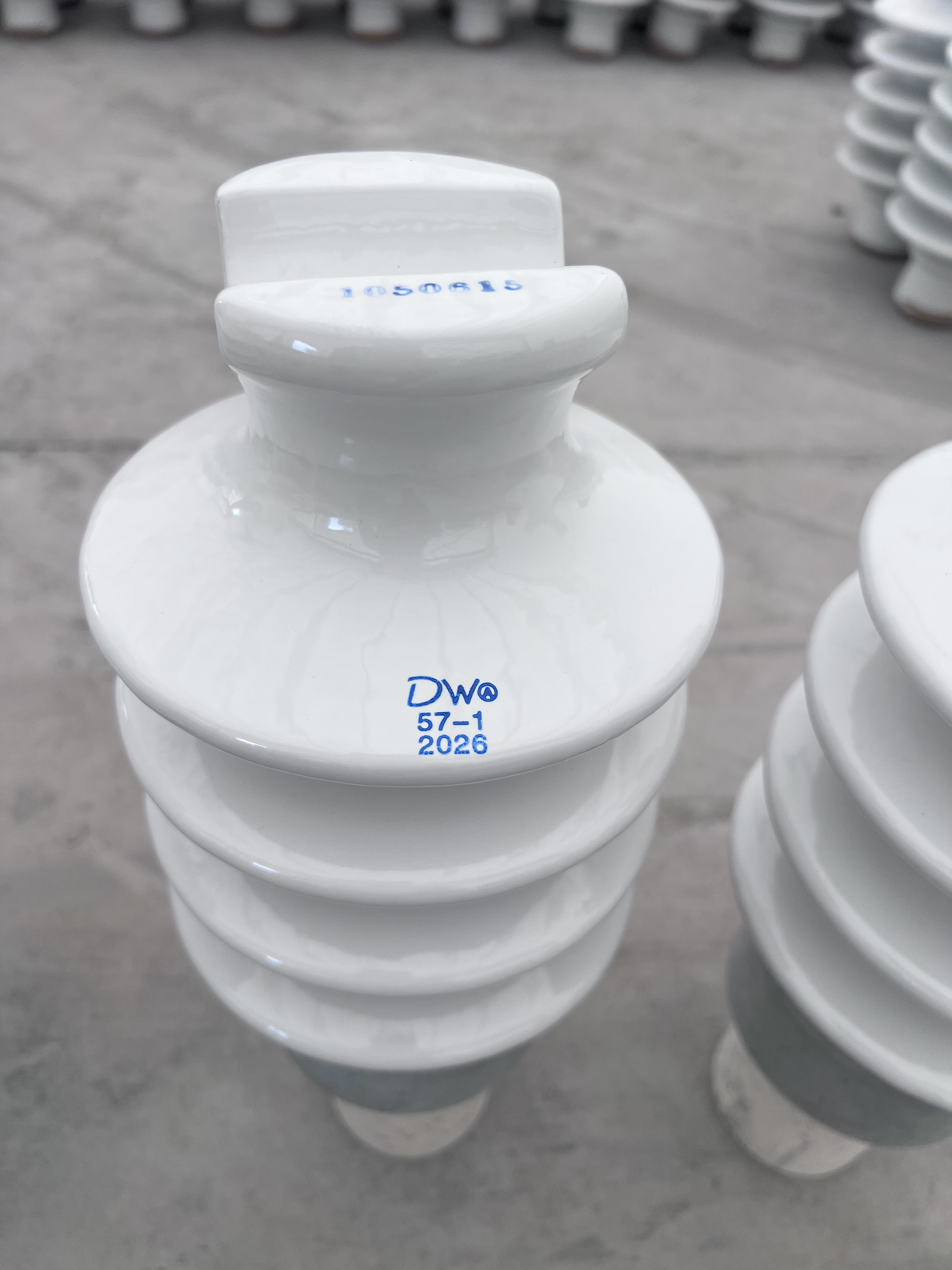
The importance of using a high-quality post insulator lies in its ability to prevent electrical discharge, maintain structural integrity under extreme mechanical stress, and provide a reliable barrier between live conductors and grounded poles.
The primary function of any insulator in an overhead transmission network is to act as a dielectric barrier. Without reliable post insulators, current would leak from the conductors into the supporting structure, leading to energy loss, flashover, and potential catastrophic failure of the electrical grid. As the industry evolves, the demand for high-performance components has grown, leading to more robust designs that can withstand environmental degradation.
Beyond simple isolation, these components are vital for maintaining the geometry of the power line. They must hold heavy conductors in place during high winds, ice accumulation, and seismic activity. If an insulator fails, it can cause the line to sag or make contact with the pole, leading to short circuits that may trigger regional power outages.
Engineers often compare post insulators to other types of hardware. For instance, when upgrading older lines, many firms opt to replace legacy systems with more modern durable pin-type electrical insulators to ensure better compatibility with modern voltage standards. The transition from older designs to optimized post insulators has been a major factor in improving the Mean Time Between Failures (MTBF) for utility companies worldwide.
A line post insulator works by providing a high-impedance path to ground, forcing the electrical current to remain contained within the conductor while simultaneously supporting the mechanical weight of the line via a rigid structure.
The operational principle of a line post insulator is based on the concept of leakage current control. By extending the surface path (creepage distance) between the energized conductor and the grounded support, the insulator forces potential discharge paths to traverse a significantly longer route. This increase in distance ensures that the ambient air, when subjected to the line’s operating voltage, does not undergo dielectric breakdown.
Under normal operating conditions, these insulators act as a support beam. The cantilever strength of the insulator is a critical metric; it determines how much horizontal force the unit can withstand before fracturing. When a line experiences high-velocity winds, the load is transferred through the conductor to the head of the insulator, which then exerts a bending moment on the pole attachment point.
The efficiency of this working mechanism is heavily dependent on the surface profile of the insulator. Many professionals find that integrating high-performance transmission hardware helps maintain uniform electric field distribution across the surface. By preventing local field concentrations, the insulator avoids partial discharges that could otherwise deteriorate the material over time, leading to a much longer service life for the distribution line.
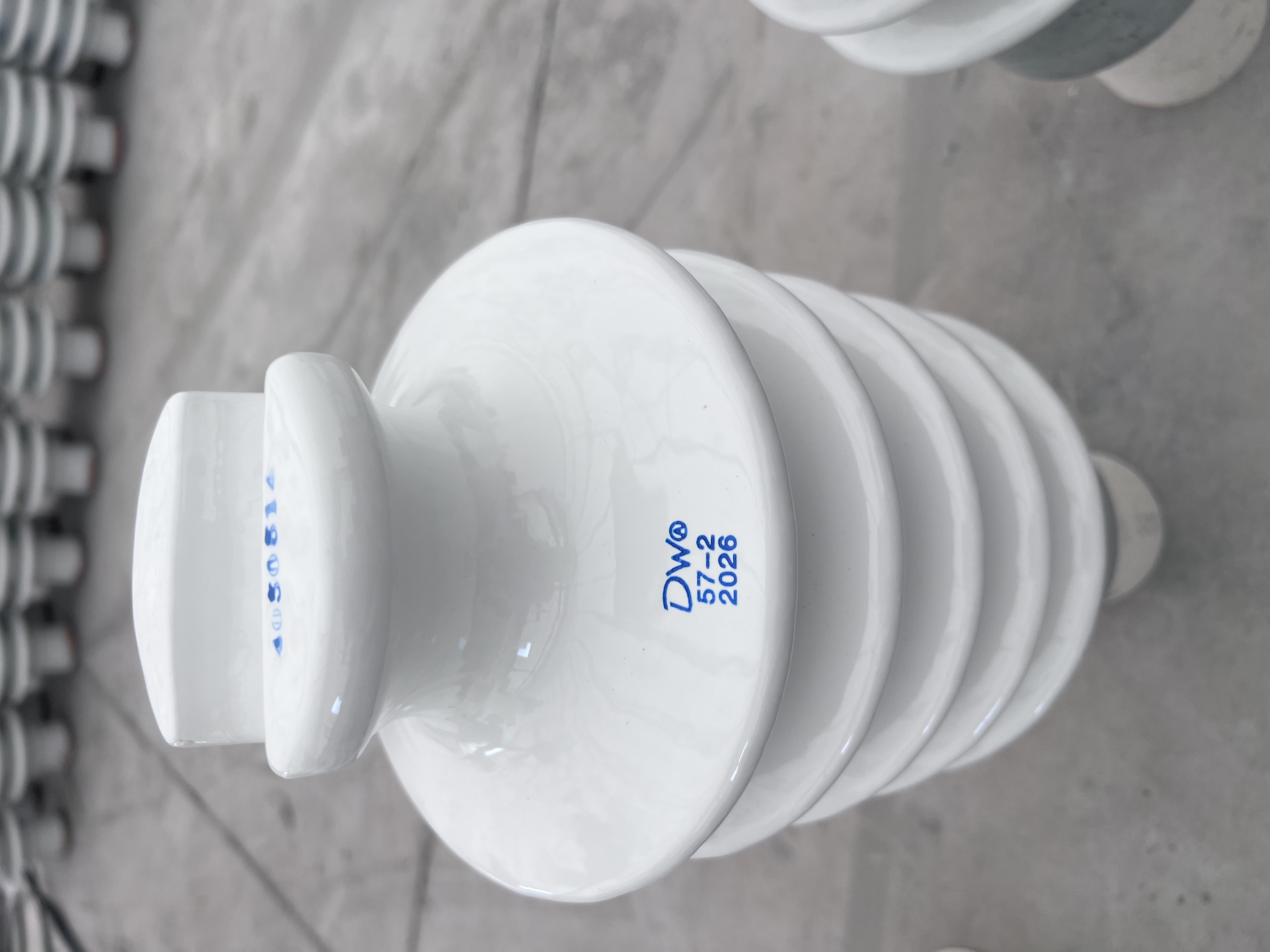
The key features of high-quality line post insulators include superior dielectric strength, high mechanical cantilever capacity, hydrophobicity to prevent tracking, and resistance to environmental stressors such as UV radiation and ozone.
When selecting a post insulator, engineers focus on several performance indicators that define the quality of the component:
Dielectric Strength: The ability to withstand high electrical stress without puncture.
Cantilever Strength: The capacity to endure lateral mechanical forces caused by line tension or wind.
Creepage Distance: The shortest path between metallic parts along the surface of the insulation material; longer paths are required for higher pollution areas.
Hydrophobicity: The ability of the surface to bead water rather than forming a conductive film, which is essential for preventing flashover in wet conditions.
In addition to these technical features, modularity is a significant advantage. A well-designed post insulator allows for easier installation and maintenance, which reduces the total cost of ownership. Many companies now prioritize reliable insulation components for grid modernization to ensure that their systems are future-proofed against the increasing demands of renewable energy integration and smarter grid technologies.
Line post insulators are primarily categorized by their voltage rating and material composition, with the most common types including horizontal line post insulators and vertical mounting units designed for specific distribution configurations.
The diversity of line post insulators is necessary because overhead power lines traverse vastly different terrains, from urban environments with high pollution to rural areas with extreme temperature fluctuations. The following table summarizes the common applications based on voltage levels:
| Voltage Category | Application | Design Focus |
| Low Voltage (<1kV) | Secondary distribution | Compact, lightweight |
| Medium Voltage (1kV - 36kV) | Primary distribution | High mechanical strength |
| High Voltage (>36kV) | Main transmission | Extended creepage distance |
These insulators are also classified by their attachment method. Horizontal line post insulators are frequently used on tangent poles, allowing the conductor to be clamped to the end of the insulator. This arrangement is particularly effective in space-constrained areas where the use of crossarms might be physically difficult or aesthetically discouraged.
The design and materials of line post insulators are engineered to balance electrical insulation requirements with the mechanical demands of supporting heavy power conductors under varying climate conditions.
Modern designs utilize advanced manufacturing techniques to optimize the shed profile. The shed shape is not arbitrary; it is carefully modeled to promote self-cleaning through wind and rain, which helps prevent the accumulation of dust, salt, and industrial pollutants. If these contaminants accumulate, they can provide a conductive path that leads to electrical tracking and eventual failure.
Regarding materials, the industry has shifted significantly toward two main categories:
Porcelain: Historically favored for its excellent compressive strength and resistance to electrical aging, though it is heavier and brittle.
Polymeric/Composite: Increasingly popular due to their lightweight properties, high impact resistance, and superior hydrophobicity in heavily polluted environments.
The choice of material often depends on the specific site requirements. For instance, in coastal regions, silicone rubber insulators are preferred due to their inherent ability to suppress leakage currents even in salt-laden atmospheres. Conversely, in regions with extreme temperature shifts, the thermal stability of porcelain is often considered a reliable, long-term solution.
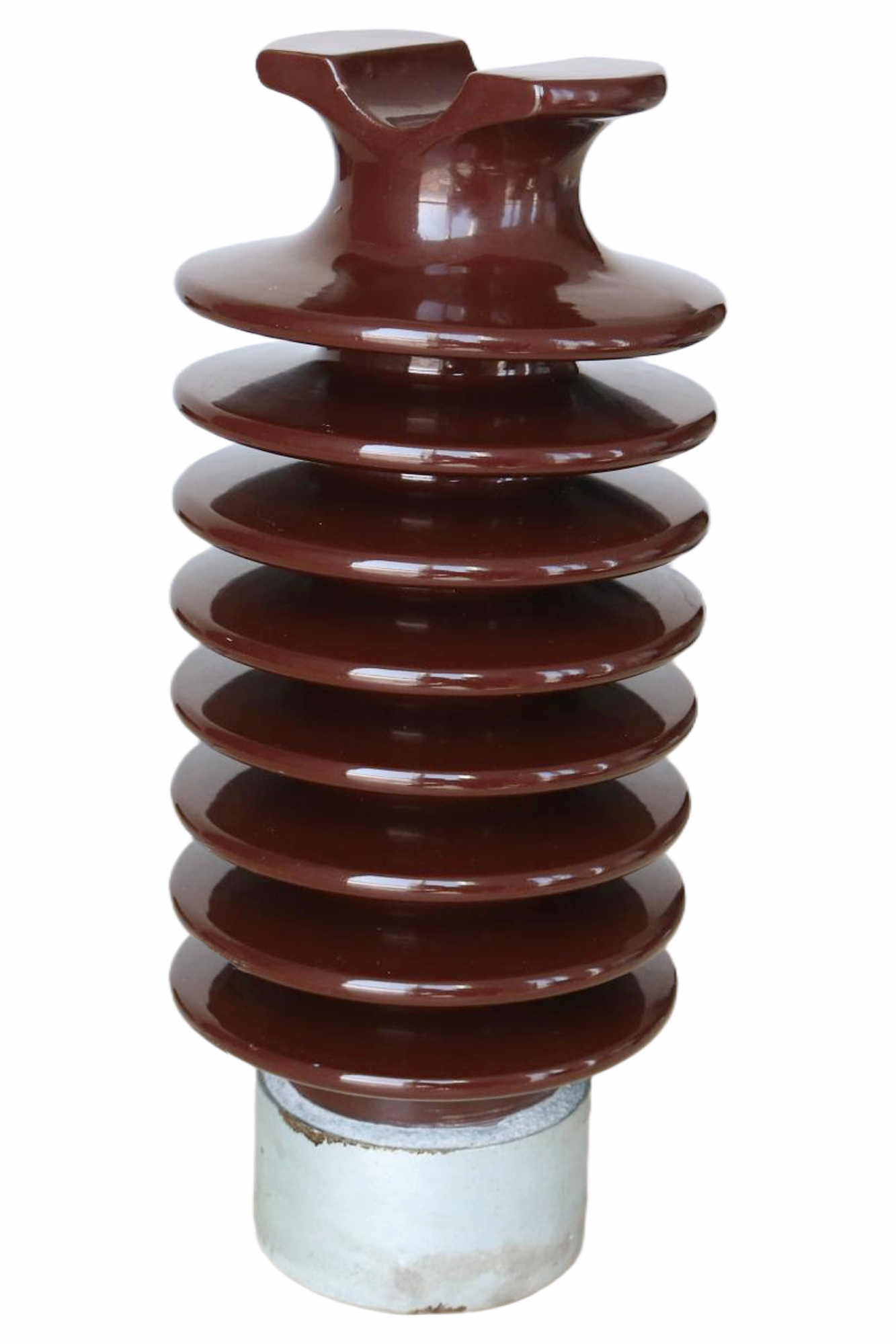
The primary functions of electrical insulators include providing an effective dielectric barrier, maintaining the necessary clearance between conductors and structures, and absorbing mechanical vibrations to protect the physical integrity of the line.
Beyond the obvious role of keeping electricity contained, these components serve as the "backbone" of the line's structural support. Their role can be distilled into three key functions:
Insulation: The most fundamental task is preventing the flow of electricity to the ground, which is achieved through high-insulating materials that have a very low conductivity coefficient.
Support: These insulators must act as a rigid support member, keeping the conductor at a fixed distance from the pole, thereby preventing "galloping" or line slapping during high-wind events.
Longevity: By minimizing internal discharge and surface degradation, they extend the operational lifespan of the distribution network, thereby reducing the frequency of replacement cycles.
These functions are critical in maintaining a stable grid. A well-performing insulator ensures that the system operates at maximum capacity with minimal losses, effectively acting as an silent guardian of power delivery.
Best practices for selecting and maintaining line post insulators involve rigorous testing protocols, correct hardware alignment, and periodic inspections based on environmental conditions to prevent premature degradation.
To ensure the maximum service life of your installation, consider the following best practices:
Environmental Assessment: Always conduct a pollution mapping exercise before selecting the insulator type. Areas with high salt or industrial dust require larger creepage distances.
Mechanical Loading Analysis: Calculate the maximum expected cantilever load, including the influence of ice loading and wind speed, to choose an insulator with an appropriate safety factor.
Regular Inspection Cycles: Use infrared thermography or visual inspections to detect early signs of surface degradation or internal heating, which are precursors to failure.
Proper Handling: Insulators, especially porcelain ones, are susceptible to micro-cracks from improper handling. Ensure that installation crews follow manufacturer guidelines for torque and clamping force.
By adhering to these standards, utility operators can minimize downtime and maximize the performance of their electrical infrastructure. The selection of the right line post insulator is an investment in the reliability of the entire grid, ensuring that energy flows safely and efficiently from the power plant to the end user.

